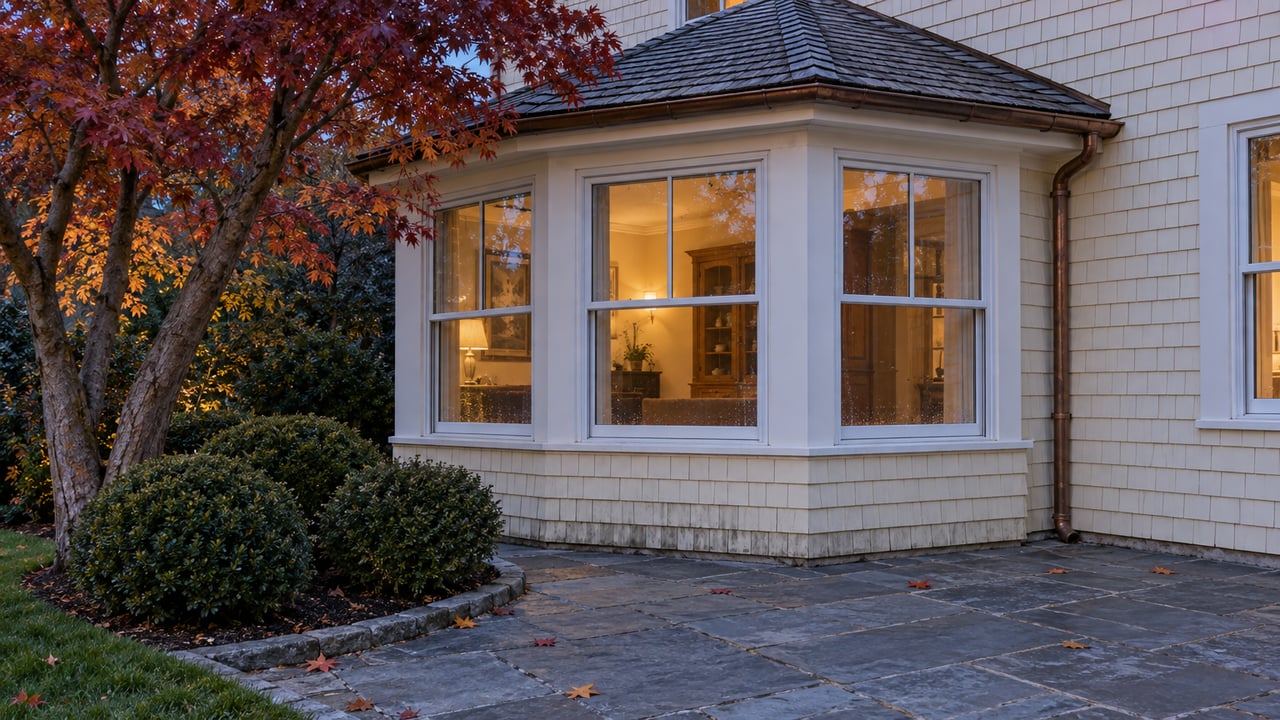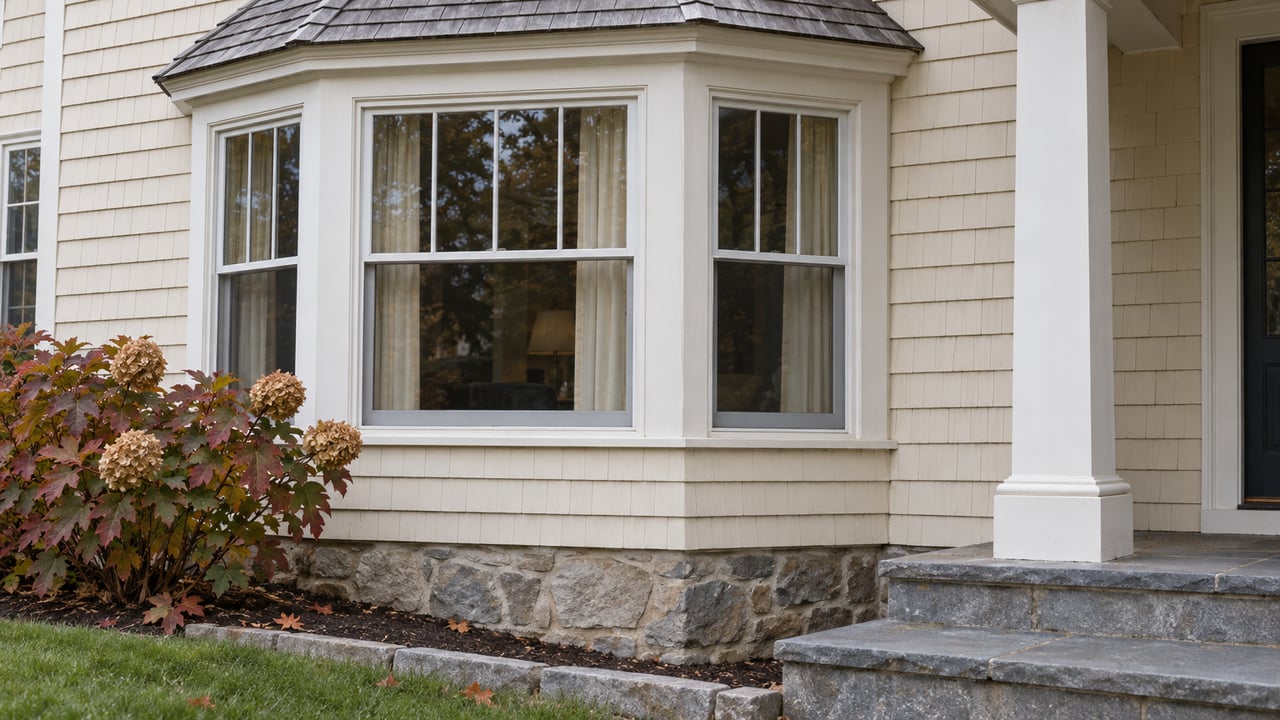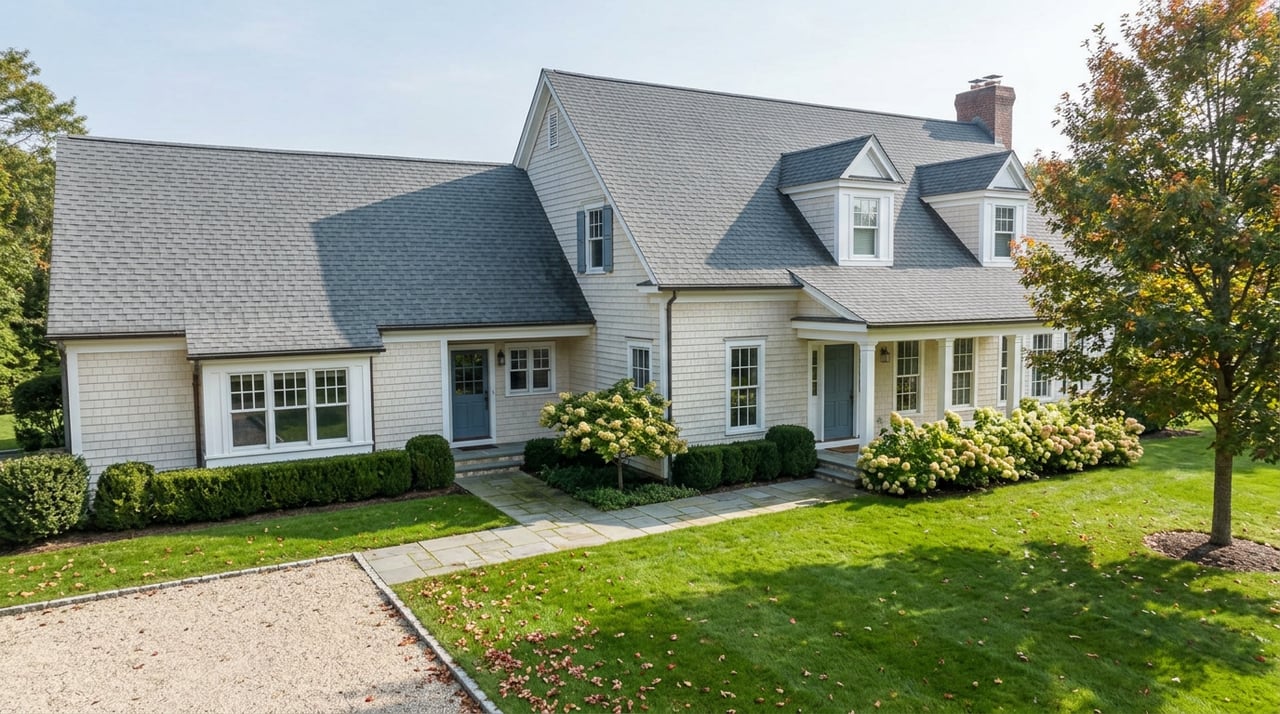
Wondering if you can simplify your home without giving up the North Shore lifestyle you love? In Huntington, that question is becoming more common among luxury owners who want less exterior upkeep, more convenience, and a home that still feels substantial. If you are thinking about downsizing, this guide will help you understand the condo and townhome options around Huntington, what to expect from fees, and which tradeoffs matter most before you move. Let’s dive in.
Why Huntington appeals to downsizers
Huntington offers a mix that is hard to replace once you have lived here for years. The town highlights five harbors, nine beaches, three marinas, municipal golf courses, and four Long Island Rail Road stations, which gives you access to both coastal amenities and everyday convenience.
For many owners, downsizing here is not really about leaving the area. It is about staying close to Huntington Village, the North Shore shoreline, and familiar routines while reducing the work that comes with a larger single-family home.
Attached housing is also a real part of the local market, not just a niche category. Suffolk County Planning counted 44 condo and HOA communities with 10 or more units in the Town of Huntington, totaling 3,961 units in its 2021 inventory.
That said, available inventory can feel tight. Realtor.com’s current Huntington condo search showed just 5 listings within the residential boundaries, with a median listing price of $900,000 and median days on market of 35, which suggests buyers may need to move decisively when the right fit appears.
Condo and townhome choices in Huntington
Luxury downsizers in Huntington usually find two broad paths. One is a smaller, village-adjacent community with a more intimate scale. The other is a newer community with larger floor plans and a deeper amenity package.
Your best fit often comes down to lifestyle. Some buyers want a quieter setting and modest monthly dues. Others are happy to pay more for newer construction, a clubhouse, or a more lock-and-leave setup.
Smaller enclaves near Huntington
County planning data shows a cluster of smaller communities in Huntington proper, including High Oaks, West Neck Village, Edgewood Heights, West Shore Commons, Meadowood at Huntington, The Springs, Lakeridge, Oakwood Acres, The Meadows, and Parkridge.
These communities often appeal to owners who want a familiar neighborhood feel instead of a large master-planned setting. They can also be a practical bridge between a full-size house and a more maintenance-light home, especially if you still want multiple bedrooms and garage space.
Recent listings show what this product type often looks like in real life. A Parkridge condo was listed with 3 bedrooms, 2.5 baths, 1,985 square feet, a 1-car garage, and a $350 monthly fee. A High Oaks listing showed 2 bedrooms, 2.5 baths, 1,753 square feet, a 1-car garage, and a $500 monthly fee.
Oakwood Acres follows a similar pattern, but with a somewhat higher carrying cost in the example reviewed. One townhouse-style condo there offered 2,455 square feet, a 1-car garage, and a $575 monthly HOA, with grounds care included.
Newer townhomes in Huntington Station
For buyers who want newer construction and more amenities, Country Pointe at Huntington stands out. This Beechwood Homes community includes 76 upper- and lower-townhomes completed in 2015, with floor plans ranging from 2,456 to 3,128 square feet.
That size range matters for luxury owners who do not want downsizing to feel like a dramatic lifestyle cutback. In many cases, you can trade yard work and exterior maintenance for a newer attached home that still offers meaningful square footage.
Recent Country Pointe listings showed monthly association fees from $521 to $592. Amenities included a clubhouse, dog park, fitness center, pool, gated access, and maintenance coverage, and one listing also noted a 1-car garage plus 2 total parking spaces.
Nearby North Shore options to compare
Many Huntington buyers widen the search before making a final decision. That does not mean leaving your preferred lifestyle behind. It usually means comparing how much space, parking, storage, and maintenance coverage you can get in nearby communities.
Centerport townhome option
In Centerport, The Courtyard is a 15-unit townhouse-style condo community built in 1997. A listed unit there had 3 bedrooms, 3.5 baths, a 2-car garage, and a $530 monthly fee that covered grounds care and snow removal.
For downsizers who still host family or want more room for guests, that extra garage capacity and interior space can be a meaningful advantage. It is a good example of why the search should focus on function, not just zip code.
Northport alternatives
Northport offers another layer of low-maintenance living. A Greentree Estates listing showed a 3-bedroom, 2.5-bath townhouse with a 1-car garage and a $492 monthly HOA.
A Colony Club listing described a gated, non-age-restricted community on 10 maintained acres with clubhouse, pool, and tennis amenities and a $723 monthly fee. For some buyers, the higher monthly cost may be worth it for a stronger amenity package and maintained common grounds.
Melville for broader inventory
Melville can also enter the conversation, especially for buyers who want more options. The Greens at Half Hollow is a large attached-home community with 1,100 units in county planning data.
Recent listings there showed monthly fees around $275 to $575 and amenities such as a clubhouse, fitness center, golf course, pool, security, and tennis. One listing also noted a separate 2% capital-improvement fee at closing, which is a reminder to look beyond the headline HOA number.
What HOA fees usually cover
One of the biggest mental shifts in downsizing is understanding what your monthly fee is really paying for. According to the New York Attorney General, a condo means you own your individual unit plus an undivided interest in the common elements, so the monthly fee supports shared maintenance and governance, not just services.
In Huntington-area communities, dues often cover some mix of common-area maintenance, exterior maintenance, grounds care, snow removal, trash, sewer, water, and sometimes pool service. The exact package varies by community, which is why two homes with similar asking prices can have very different monthly carrying costs.
Here is how a few local examples compare:
| Community | Example Monthly Fee | Sample Coverage |
|---|---|---|
| Parkridge | $350 | Grounds care, snow removal, trash |
| High Oaks | $500 | Common-area and exterior maintenance, grounds care, sewer, snow removal, trash, water |
| Country Pointe at Huntington | $521 to $592 | Exterior maintenance, grounds care, sewer, snow removal, trash, water, pool service |
| The Courtyard | $530 | Grounds maintenance, snow removal |
Local dues can run above the national condo median because many Huntington-area homes include garages, larger layouts, gated access, or more amenities. Even so, the key question is not whether the fee is high or low on its own. The key is whether the value lines up with the lifestyle you want.
Watch for costs beyond the monthly fee
A monthly HOA number does not always tell the whole story. Some communities may also have separate clubhouse charges, insurance charges, sewer assessments, or capital-improvement fees.
That is why document review matters early. A recent Greens at Half Hollow listing, for example, showed separate clubhouse, insurance, and sewer charges, along with a one-time 2% capital-improvement fee at closing.
If you are comparing options, ask for a full breakdown of routine monthly costs and any one-time charges. That creates a much clearer picture than looking at list price alone.
What matters most for luxury downsizers
Downsizing is usually less about square footage and more about fit. The right home should support the way you actually live now, not the way you lived 15 years ago.
Storage can be the biggest adjustment
Storage is often the first surprise for buyers moving from a larger house. Features like basements, attics, walk-in closets, and garage storage vary widely from one community to another.
A Courtyard home in Centerport had a full finished basement and a 2-car garage. A Country Pointe listing noted storage and walk-in closets. By contrast, a Parkridge home had only a 1-car garage.
If you are bringing furniture, seasonal items, or hobby equipment, storage needs to be part of the search from day one. It is much easier to solve that question before you buy than after you move in.
Parking deserves close attention
Parking is another issue that can feel minor until it becomes daily friction. Many of Huntington’s smaller enclaves have 1-car garages or assigned driveway parking, while some newer or larger communities may offer more flexible arrangements.
That difference matters if your household keeps more than one vehicle or if you regularly host family and guests. It also matters if you want garage space for bikes, golf gear, or general overflow storage.
Location still drives long-term appeal
For resale and day-to-day enjoyment, location remains central. Huntington’s town profile emphasizes rail access and harbor-oriented living, and many current listings highlight proximity to transit, shops, and Huntington Village.
In a market with limited condo inventory, attached homes with strong locations, garage space, and a clear maintenance package may be easier for future buyers to understand. That is not a guarantee, but it is a practical lens for evaluating long-term appeal.
Rules should be reviewed early
Community rules can affect your experience more than buyers expect. Before you commit, confirm the governing documents, including any rules around pets, use restrictions, and how the community is managed.
These details are part of the ownership experience. They should fit your lifestyle just as much as the floor plan does.
A smart downsizing strategy in Huntington
The Huntington downsizing story is not one-size-fits-all. Some buyers will prefer a smaller community near the village with moderate dues and a familiar residential feel. Others will prioritize newer finishes, larger layouts, gated access, or amenities in places like Huntington Station, Northport, Centerport, or Melville.
The best move is usually a side-by-side comparison of space, storage, parking, fees, and rules, along with a realistic look at how often inventory becomes available. In a tighter segment of the market, having a clear plan can help you act with more confidence when the right property appears.
If you are weighing whether to sell a larger home and move into a condo or townhome in Huntington, a tailored strategy can make the process much smoother. For private guidance on timing, inventory, and the right fit for your next chapter, connect with Kieran Rodgers.
FAQs
What condo options are available in Huntington for downsizers?
- Huntington offers a mix of smaller condo enclaves such as High Oaks, Parkridge, Oakwood Acres, and West Neck Village, along with newer townhome-style options like Country Pointe at Huntington in Huntington Station.
What do Huntington condo HOA fees usually cover?
- In local communities, HOA fees may cover items such as exterior maintenance, common-area maintenance, grounds care, snow removal, trash, sewer, water, and sometimes pool service, depending on the community.
Are Huntington condos competitive for buyers?
- Current condo inventory in Huntington appears limited, with Realtor.com showing 5 listings, a median listing price of $900,000, and median days on market of 35, which can make well-located homes more competitive.
Should Huntington downsizers also look at Northport, Centerport, and Melville?
- Yes, many buyers compare nearby North Shore communities because they may offer different combinations of space, garage capacity, amenities, and monthly fees while still supporting a low-maintenance lifestyle.
What should luxury owners review before buying a Huntington townhome?
- You should review the offering plan, bylaws, board information, the full fee breakdown, any separate charges or assessments, parking details, storage options, and community rules before moving forward.