Picture a North Shore main street where you can stroll to coffee, a film screening, and a late show, all within a few blocks. If you want suburban space with a lively, walkable downtown, Huntington Village delivers a rare blend. In this guide, you will learn what daily life feels like, the housing options near the core, how people commute, and the practical details that smart buyers should know. Let’s dive in.
Huntington Village at a glance
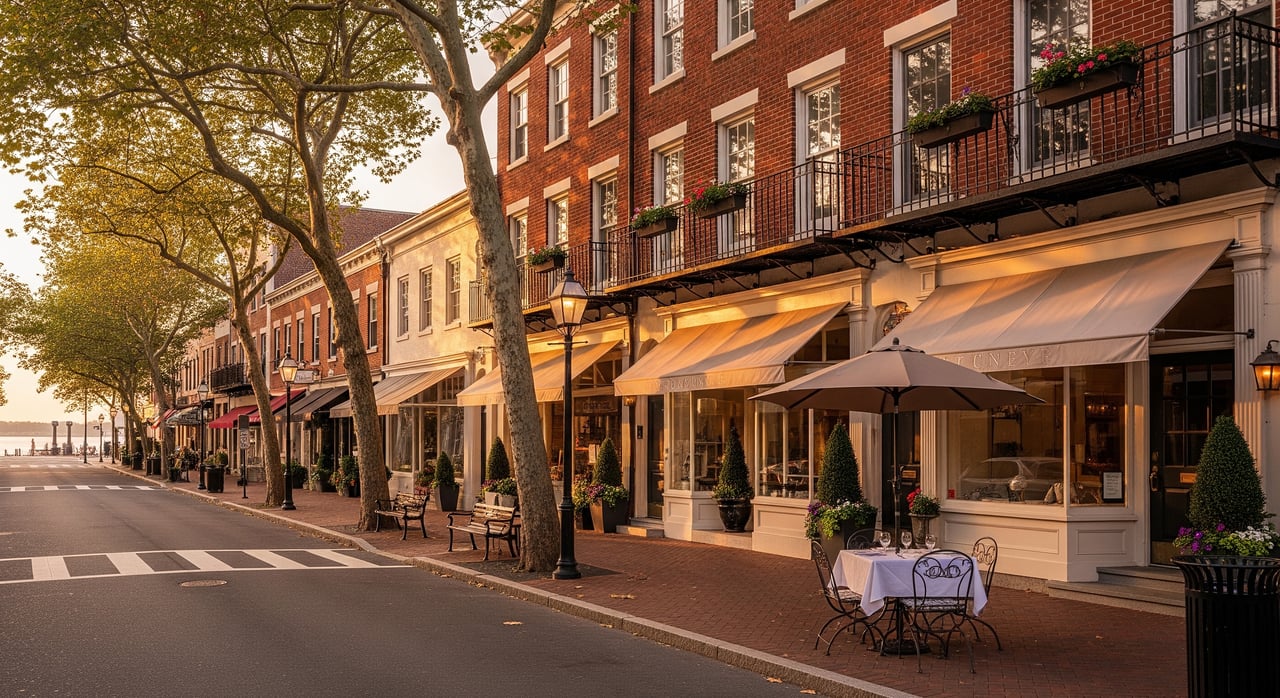
Huntington Village is the compact commercial heart of the Town of Huntington on Long Island’s North Shore. You will find a dense cluster of restaurants, independent shops, arts venues, and public spaces that give it an urban energy by day and a lively pulse at night.
The village draws daytime shoppers and families, then fills with diners, music fans, and moviegoers in the evening. That foot traffic supports local businesses and cultural life. It also brings typical downtown tradeoffs like busier parking and occasional late-night noise near entertainment blocks on weekends.
Culture, dining, and green space
Music and film anchors
A prominent live music and theater venue on New York Avenue brings national touring acts that keep the village busy on show nights. An independent nonprofit cinema programs art‑house, repertory, and community screenings. Together they create a steady calendar of concerts, special events, and film series that add to the village’s identity.
Heckscher Park and the museum
Heckscher Park is the main green space in the village core. You can enjoy walking paths, seasonal outdoor events, and an easy connection to the Heckscher Museum of Art, which hosts rotating exhibitions and regional collections. The park and museum make it simple to shift from errands and dining to an afternoon outdoors or a gallery visit.
Dining and shopping mix
Expect a broad range of food options, from cafés and delis to mid‑range and higher‑end restaurants. The mix leans toward independent operators rather than national chains. For shopping, you will find boutique retailers, specialty stores, small galleries, and service businesses like salons and fitness studios.
Seasonal energy
Summer and fall bring farmers markets, art walks, concerts, and parades that raise foot traffic and extend evening hours for many businesses. Winter is quieter, which can make parking easier and evenings more relaxed.
Housing options near the village
In the core: condos and apartments
If you want to live steps from dining and venues, you will see low‑ to mid‑rise apartment and condo buildings, walk‑up rentals, and mixed‑use buildings with residences above retail. These homes put you close to everything, which is ideal if you value convenience over yard size.
Adjacent blocks: single‑family character
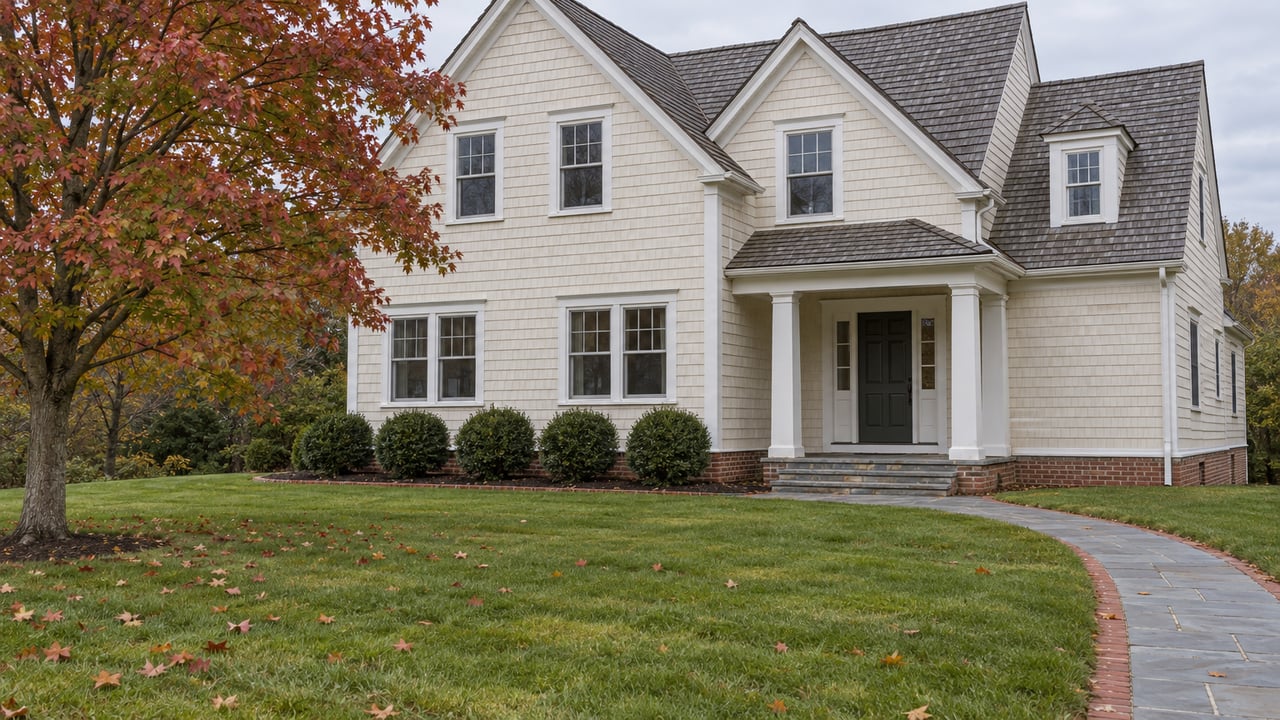
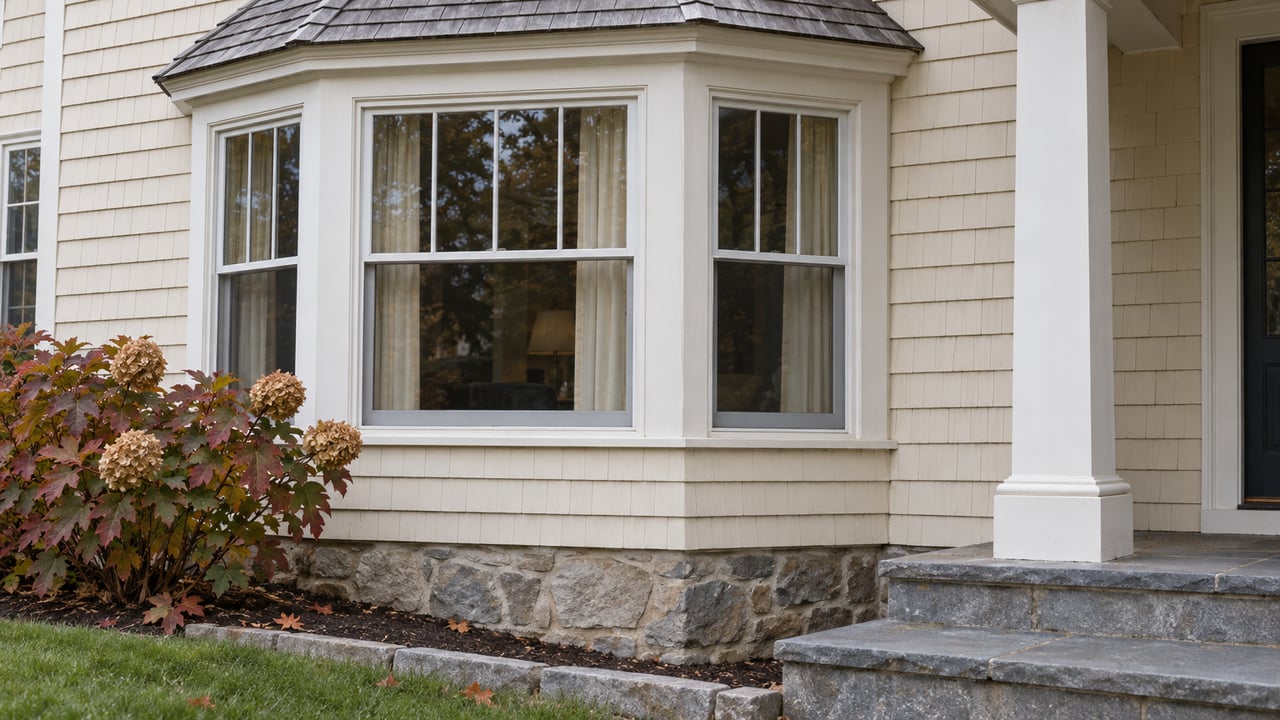
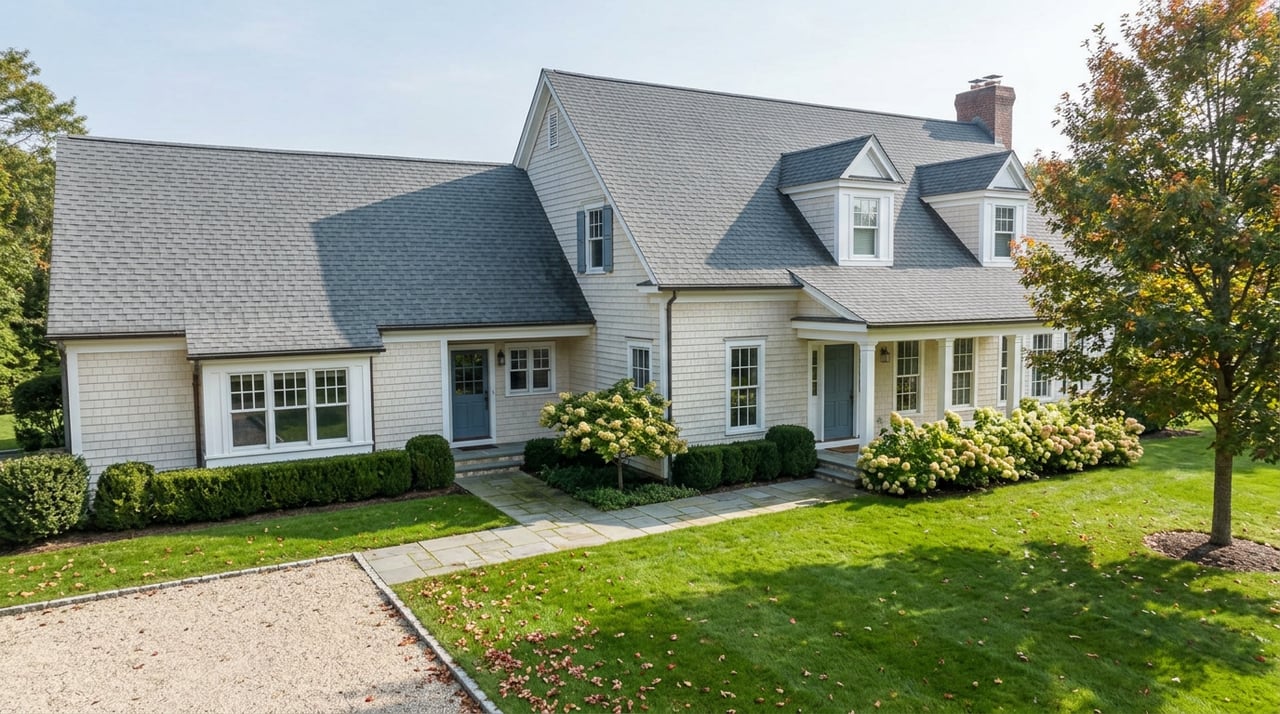
A few blocks off the main streets, the landscape shifts to single‑family homes. Many are late 19th to mid‑20th century styles, including Victorian, Colonial, Tudor, and Cape Cod. You will see renovated properties and targeted infill. Lot sizes vary, though many older village‑area lots are smaller than what you find in broader suburban subdivisions.
Nearby luxury, not in the center
Larger waterfront estates and expansive lots are typical of nearby North Shore hamlets rather than the immediate village center. If you want big yards or water views, you will likely be just outside the core, with a short drive into downtown for dinner or a show.
Who the village suits
Huntington Village attracts professionals who want walkable culture, move‑up buyers who value a lively downtown with rail access, and downsizers seeking an urban feel with services close by. Rental demand is steady, sustained by young professionals and workers tied to the hospitality and arts scene.
Commute and connectivity
Rail to New York City
Huntington station on the Long Island Rail Road’s Port Jefferson Branch is the primary rail link for village residents. Some trains run direct to the city while others require a transfer. Schedules and travel times vary by time of day, so you should check current timetables before planning your commute.
Road access
You have straightforward connections to key routes that feed into the Long Island Expressway and Northern State Parkway. Driving times shift with peak congestion patterns, especially during weekday rush hours. Many residents still choose the train for predictability when commuting to Manhattan.
Local transit and parking
Suffolk County Transit provides intra‑county bus service, with routes that change over time. In the village, you will find a mix of on‑street meters and municipal lots. Parking demand peaks on evenings and weekends near dining and entertainment corridors. Nearby residential blocks may have time limits or permit rules. If parking matters to you, visit at the same times you expect to be out to see what it feels like.
Walking and biking
Sidewalks, short blocks, and clustered storefronts make the core very walkable. Dedicated bike lanes are limited, so cyclists often plan routes carefully and use back streets where possible.
Practical buyer considerations
Historic overlays and permits
Some areas in and around Huntington Village fall under historic designations. If you plan exterior renovations, signage, or demolition, you may face review processes. Contact the Town of Huntington’s preservation or building departments to understand requirements before you make changes.
Flood zones and coastal rules
Properties near Huntington Harbor or along the shoreline can sit within FEMA‑mapped flood zones. That can affect insurance costs and permitting. If you are considering a home near the water, check flood maps and local floodplain regulations early in your search.
Nightlife tradeoffs
Living close to popular venues is convenient for dinner and shows, but it can be louder on weekends. Sound carries differently by block and building type. Tour at night, listen from inside and outside, and note how crowds disperse after events.
Schools and boundaries
Several school districts serve the Town of Huntington, and assignments depend on parcel‑level boundaries. If schools are part of your decision, confirm the district for any address and review New York State Education Department report cards for up‑to‑date information.
Taxes and ownership costs
Long Island property taxes are generally higher than national averages. In Huntington, you will pay Town and local school district taxes. Always review the current tax bill for the specific property. For older homes, budget for maintenance and potential energy‑efficiency upgrades. For condos or co‑ops, include monthly fees in your long‑term planning.
Future development
Healthy downtowns evolve. Proposals for added residential density, mixed‑use projects, or parking changes can surface. Reviewing recent planning board agendas and town updates can help you anticipate how the area may change over the next few years.
How to buy well in Huntington Village
- Set your lifestyle priorities. Decide what matters most: a short walk to dinner and shows, a private yard, or a quieter block just outside the core. This will clarify your search radius.
- Tour at different times. Visit on a weekday afternoon and a weekend evening to gauge parking, noise, and foot traffic.
- Test parking and access. If you need a dedicated spot, focus on buildings or homes with driveways, garages, or permitted street parking that fits your routine.
- Evaluate building specifics. In condos and apartments, ask about soundproofing, elevator access, pet policies, and any upcoming assessments. In older single‑family homes, inspect roofs, windows, heating, plumbing, and electrical systems.
- Underwrite the monthly number. Combine mortgage, taxes, insurance, utilities, and any HOA or co‑op fees to avoid surprises.
- Be offer‑ready. Well‑located homes near the core can draw interest quickly. Have financing aligned so you can move decisively.
Work with a local advisor
Buying near a sought‑after downtown is about tradeoffs and timing. You gain walkability and culture. You may give up yard size or accept a busier evening scene. The right advisor helps you balance those choices and secure the address that fits your routine.
With deep Huntington expertise, premium property marketing, and a mortgage‑banking background, our team streamlines complex decisions and timelines. We can surface on‑ and off‑market opportunities, coordinate financing, and guide you from first tour to close with a focus on certainty and results. If you are exploring Huntington Village or nearby North Shore neighborhoods, we would love to help you compare options and act with confidence.
Ready to see how the village fits your lifestyle? Connect with Kieran Rodgers to learn more and Schedule Your Private Consultation.
FAQs
How walkable is Huntington Village for daily errands?
- The core is compact with clustered dining, shops, and venues, so most daily errands and nights out are an easy stroll within a few blocks.
What types of homes are available near the village center?
- In the core you will find condos, apartments, and mixed‑use buildings; a few blocks out you will see single‑family homes in styles like Victorian, Colonial, Tudor, and Cape.
Is parking difficult in Huntington Village on weekends?
- Parking supply includes meters and municipal lots, but demand rises near dining and venues on weekends, so it is wise to test parking at your usual times.
How do commutes to Manhattan work from Huntington?
- The LIRR’s Huntington station serves the area, with a mix of direct and transfer trains; check current timetables to plan your specific trip.
Are there parks and arts spaces in the village?
- Yes, Heckscher Park is the main green space, and the Heckscher Museum of Art plus local venues and a nonprofit cinema anchor a robust cultural calendar.
Which school district serves a specific Huntington Village address?
- Multiple districts serve the Town of Huntington; verify the district for any property and review New York State Education Department report cards for details.
Do homes near the harbor require flood insurance?
- Some shoreline or harbor‑adjacent properties fall in FEMA flood zones; confirm maps and insurance requirements during due diligence.
Is it noisy living close to the nightlife blocks?
- It can be, especially on weekends when venues let out; touring at night will give you a realistic sense of sound levels by block and building.
How strong is rental demand in the village area?
- Rental demand is generally steady given the walkable core, hospitality jobs, and cultural venues that attract younger professionals.
What should I budget for ownership costs in Huntington?
- Plan for mortgage, insurance, and utilities, and note that Long Island property taxes are higher than national averages; always review the current tax bill for the address you are considering.