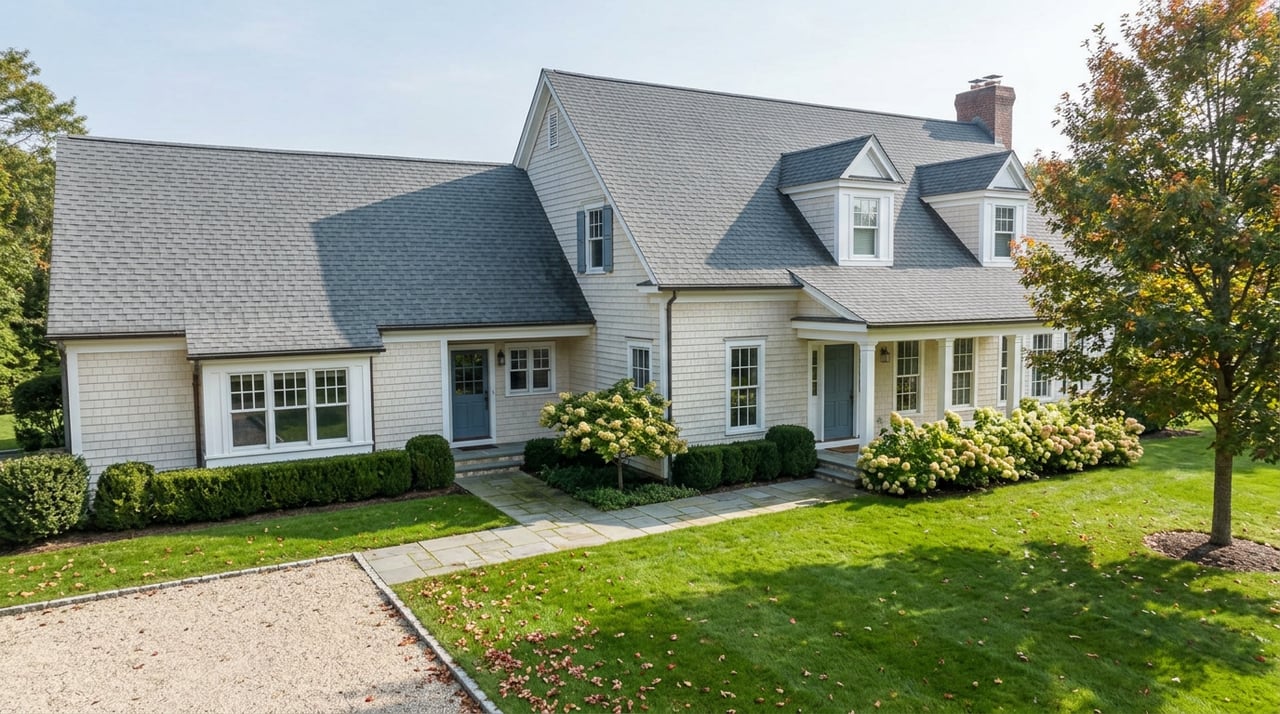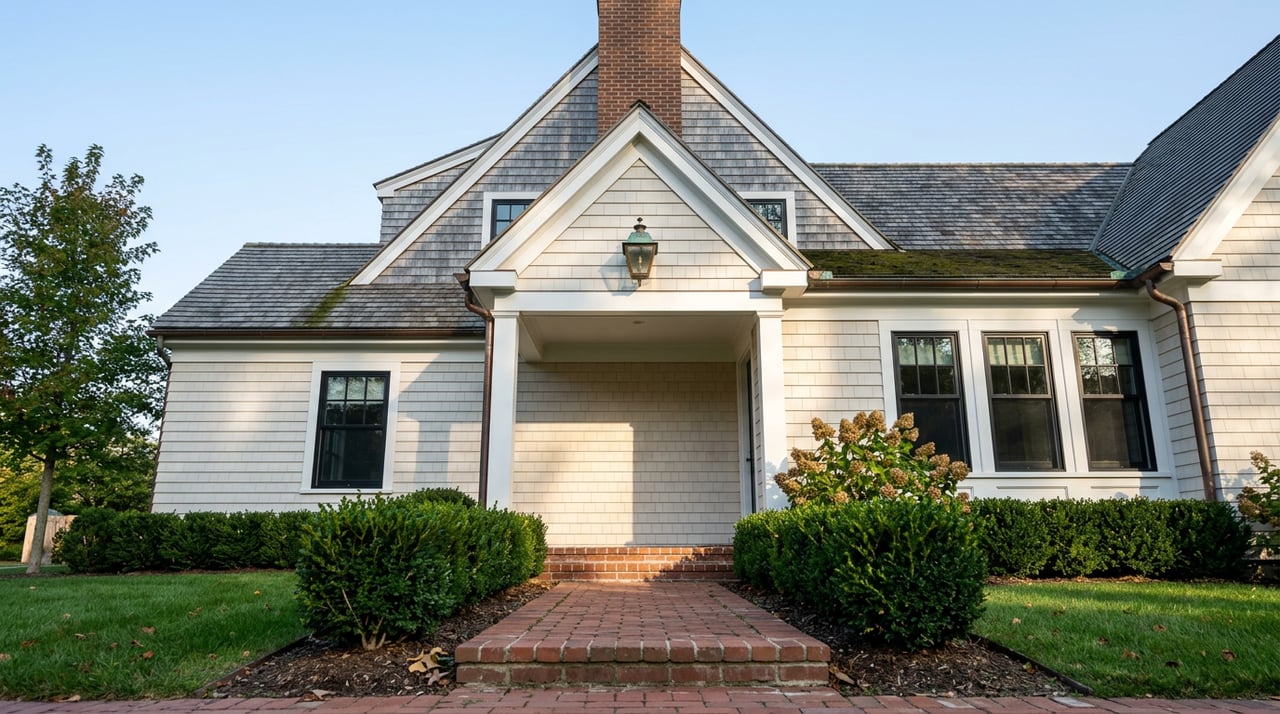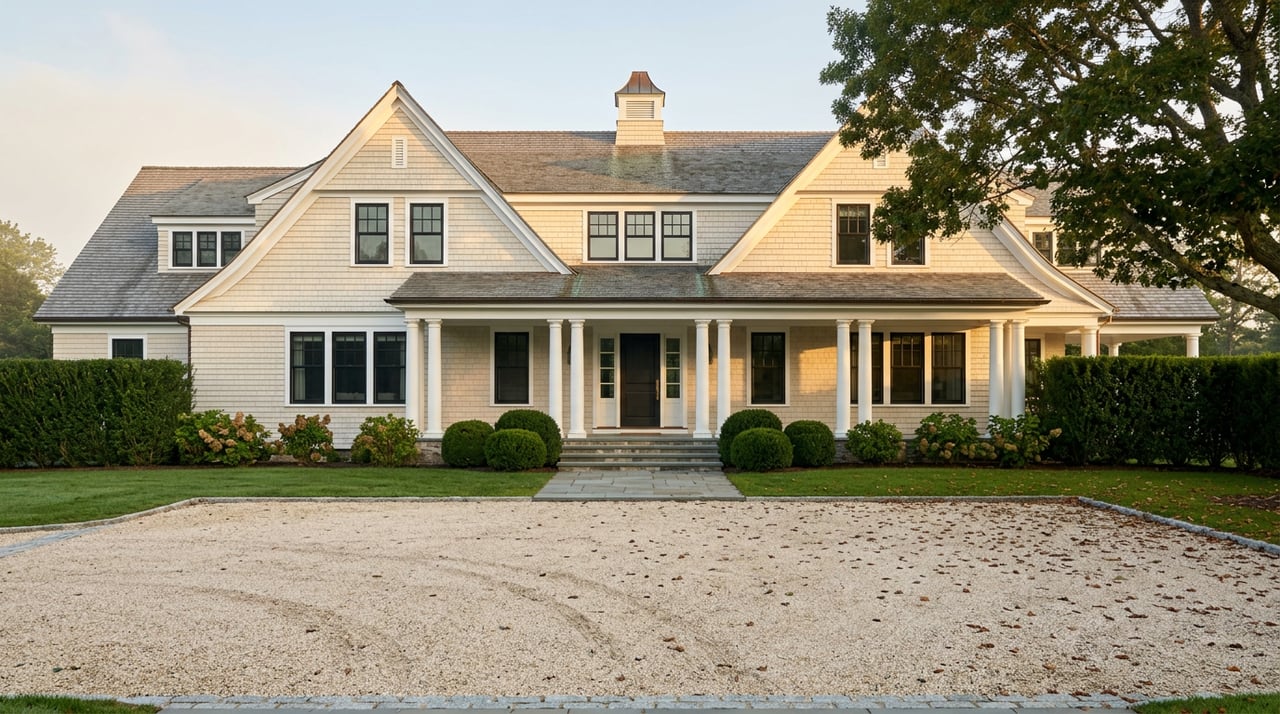
OneKey MLS, the multiple listing service that covers every closing across Nassau and Suffolk counties, describes itself on its own corporate site as "an active operational shield that blocks exclusive whisper networks." That's the pitch: one open system, one set of rules, no side channels where a favored buyer sees a listing before anyone else does.
On January 21, 2026, OneKey MLS built the infrastructure for exactly the kind of side channel it says it exists to prevent. The system now offers Long Island sellers three formal ways to control who sees a listing, two of which keep it off Zillow, off Realtor.com, and off every other portal a buyer might be scrolling on a Tuesday night. It isn't a loophole. It's a documented, disclosed, seller-signed option sitting right in the listing form.
The part that gets skipped in most explanations of this change is what it actually costs to use it. Not in dollars. In days.
What Changed on January 21
Before this year, a Long Island listing had two blunt toggles: Publish to Internet, yes or no, and Private Listing, yes or no. OneKey MLS collapsed those into a single field called Listing Exposure, with three settings that map to very different levels of visibility.
Publish to Internet is the status almost every buyer assumes is the only option. The listing feeds to IDX, to syndication partners, to every site a house hunter checks before their coffee gets cold.
MLS Only keeps the listing off the public internet entirely. It's visible to the roughly 40,000 real estate professionals subscribed to OneKey MLS, so a cooperating agent working with a buyer can still find it and show it, but a homeowner scrolling listings on their own won't see it unless their agent surfaces it directly.
Private narrows the circle further. The listing is visible only within the listing firm. It doesn't go to IDX, it doesn't go to third-party feeds, and outside agents don't see it in their own MLS searches at all.
Both MLS Only and Private require a signed seller disclosure attached to the listing before the status can be applied. OneKey MLS's own support documentation calls this the Seller Opt-Out form, and it exists precisely so a seller can't be quietly steered into reduced exposure without understanding what they're giving up.
| Listing Exposure | Who can see it | Seller disclosure required | On public portals |
|---|---|---|---|
| Publish to Internet | Everyone, including public portals | No | Yes |
| MLS Only | OneKey MLS subscribers only | Yes | No |
| Private | Listing firm only | Yes | No |
This isn't a workaround someone found in the rules. It's the rules, rewritten on purpose.
Why the Timing Is the Interesting Part
A three-tier privacy system reads like something built for a soft market, a place where sellers need to hide a listing that's languishing. That's not what was happening on Long Island when this launched.
As of August 2026, Nassau County's median single-family price sat at $875,000, up 2.9 percent year over year, with homes moving in about 42 days. Suffolk County set a new record at $750,000, up 7.1 percent, moving in about 44 days. Both counties were carrying roughly three months of supply, the kind of number that still favors sellers even with mortgage rates sitting in the mid-6 percent range. Homes in both counties were still closing at or above list price.
That's the backdrop against which OneKey MLS chose to formalize reduced exposure. Not a market where sellers needed to hide. A market where most sellers had no reason to.
Which means the sellers actually reaching for MLS Only or Private aren't doing it because their home won't sell in the open. They're doing it for a different reason entirely, and the data on what that choice actually costs makes the reason clearer.
The Trade-Off the Disclosure Form Doesn't Spell Out
OneKey MLS hasn't yet published its own breakdown of how Private and MLS Only listings perform against fully public ones. The best available data comes from Bright MLS, the multiple listing service covering the Mid-Atlantic, which studied more than 100,000 sales between September 2024 and February 2025. In February, nearly 8 percent of new listings in that market started as office exclusives, the closest equivalent to OneKey's Private tier.
The finding worth sitting with: starting as an office exclusive had no measurable effect on the final sale price. None. But those listings took a median of 37 days to go under contract, against 20 days for listings marketed openly from day one. That's a 17-day gap, and it isn't explained by the homes being harder to sell. About nine in ten of those office-exclusive listings eventually moved into the open MLS before they sold.
Read together, those two numbers describe something specific. A private-first listing on Long Island isn't a strategy for getting more money. It's a strategy for buying time before the public clock starts, at the cost of roughly two and a half extra weeks once the property is actually competing for offers.
There's a broader, less precise data point worth naming for contrast. A national Zillow study of off-market sales in 2023 and 2024 found those homes closed at a median of 1.5 percent, or about $4,975, less than MLS-listed comparables. That study covers a wider population than OneKey's structured tiers, including homes that never touched any MLS at all. It's not the same measurement as Bright's office-exclusive data, and the two shouldn't be read as contradicting each other. But it's a reminder that "off-market" isn't one thing. A listing marked Private on OneKey MLS is still filed with the system and still visible to every cooperating agent looking for it. A home sold entirely outside any MLS is a different animal, with a different price outcome.
Who the Quiet Option Actually Serves
None of this makes MLS Only or Private a bad choice. It makes them a specific tool for a specific situation, not a default upgrade.
NAR's own guidance on office exclusive listings frames the decision as one that "belongs entirely to the seller," built around circumstances like health, safety, or privacy that outweigh the benefit of immediate broad exposure. On Long Island, that shows up in a handful of recognizable situations. A seller who wants a contractor finishing a kitchen before a single public photo goes out. A homeowner who values not having a price reduction show up in a home's public history if the first number needs adjusting. An investor assembling several properties in the same block who has good reason not to signal that intent to every other buyer's agent in the county at once.
In each case, the seller isn't trying to avoid the open market forever. They're trying to control when they enter it, and the 17-day gap in the Bright MLS data is closer to the actual price of that control than any discount on the sale itself.
Frequently Asked Questions
Does a Private or MLS Only listing mean my home isn't really for sale on the MLS? No. Both statuses keep the listing filed within OneKey MLS. Private limits visibility to your own firm, while MLS Only makes it visible to any of the roughly 40,000 subscribed agents across the system, even though neither appears on public portals.
Can I switch from Private to full public exposure later? Yes, and the Bright MLS data suggests most sellers who start with reduced exposure eventually do exactly that, with about nine in ten office-exclusive listings moving into the open market before selling.
Is there a penalty for getting the paperwork wrong? OneKey MLS's rules and procedures list specific violations tied to this system, including late submission of the required office exclusive disclosure and general Clear Cooperation Policy violations, both of which the MLS can act on.
Does choosing reduced exposure change how days on market gets counted? The listing's On Market Date updates to whichever day it's actually exposed to the public under Publish to Internet, not the day it was first entered as Private or MLS Only, so the public-facing days on market figure reflects the open-market period, not the quiet one.
The paperwork behind this system exists so that choosing discretion is a deliberate decision, not a default one. Sellers who want to control the sequence of their sale, prepare a property out of public view, or move on multiple properties without tipping their hand deserve a clear read on what that choice actually trades away. If you're weighing Private, MLS Only, or a fully public launch for a Long Island property, Kieran Rodgers can walk through what each option means for your specific timeline and price goals before you sign anything.