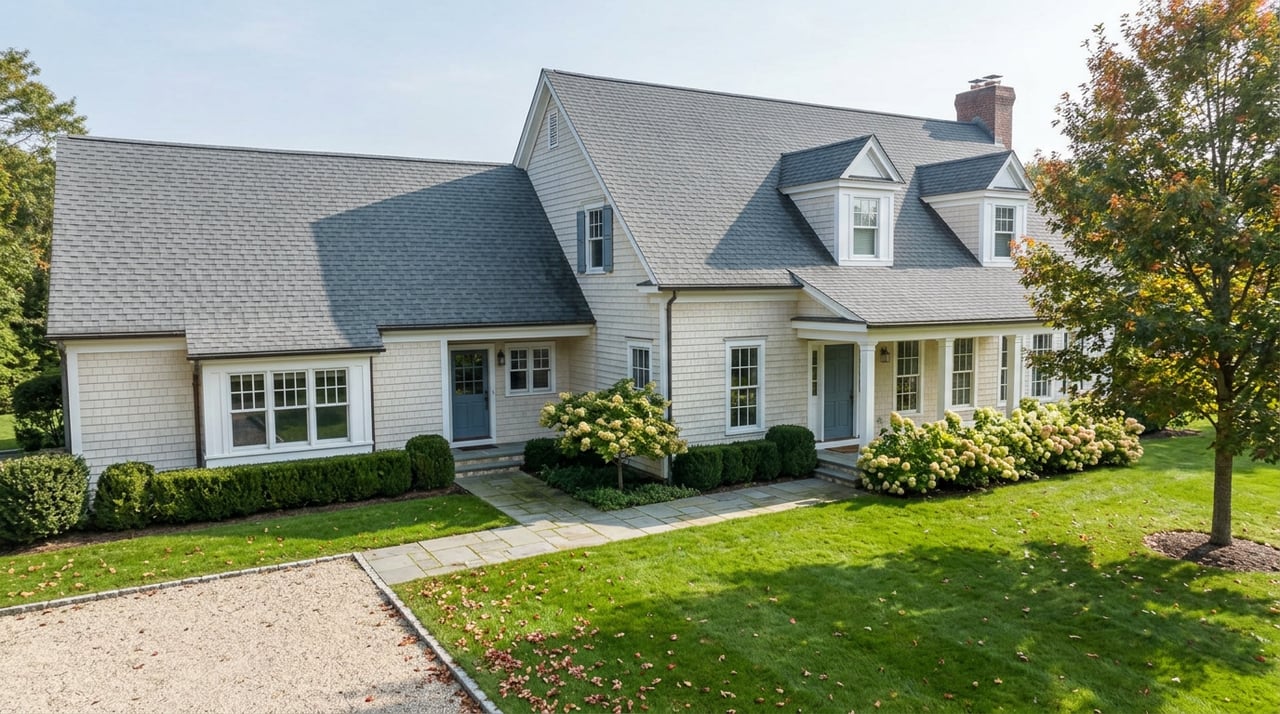
Selling a luxury home on Long Island is not the time to guess your way through agent selection. In a market where pricing, presentation, and execution all shape your outcome, the right listing agent can help you protect value and reduce stress from day one. If you want to know what actually matters when hiring a luxury agent, and which questions can help you separate polished pitches from real expertise, this guide will walk you through it. Let’s dive in.
Why agent choice matters on Long Island
Long Island sellers are working in a market that still rewards accurate pricing and strong marketing. In May 2026, OneKey MLS reported a median sales price of $700,000 across all property types in the New York Metro Region, with single-family homes at $780,000 and a median of 57 days on market. Within Long Island itself, county-level pricing also varied, with Nassau County single-family homes at $890,000 and Suffolk County at $718,250.
That gap matters if you are selling in the luxury space. A broad estimate or generic luxury branding is not enough when buyer expectations, local competition, and price bands can shift from one town to the next. You want an agent who can speak clearly about your specific area, your likely buyer pool, and the comps that support your pricing.
Look for local pricing discipline
A strong luxury listing agent should be able to show you more than confidence. They should be able to back up their recommendation with recent sold properties, active competition, days on market, and pricing trends that match your town and property type.
OneKey MLS specifically highlights data points such as sold price, current list price, days on market, price per square foot, acreage, and related metrics in a strong comparative market analysis. When you interview agents, ask them to walk you through this information in plain English. If they cannot explain why your home should be priced a certain way, that is a warning sign.
What good pricing conversations include
A well-prepared agent should discuss:
- Recent sold listings in your town and price range
- Current competing listings buyers will compare against
- Average or median days on market for similar homes
- Price adjustments happening in your segment
- How your home’s features may affect buyer demand
Luxury sellers often hear that a higher list price leaves room to negotiate. In reality, overpricing can reduce momentum early on, especially when buyers are comparing homes online before they ever schedule a showing.
Judge the marketing plan, not the label
Not every agent who uses the word “luxury” delivers luxury-level marketing. Today’s buyers often begin their search online, and the quality of your home’s presentation can shape whether they take the next step.
According to NAR, 43% of buyers started their home search online. The same report found that 41% said photos were very useful, 39% valued detailed property information, 31% appreciated floor plans, and 69% used a mobile phone or tablet during the process. That means your listing needs to look strong, read clearly, and work well across devices.
What to expect from luxury marketing
A serious luxury listing plan should include a coordinated presentation strategy, not just a single upload to the MLS. Depending on the property, that can include:
- Professional photography
- Video tours
- Floor plans
- Staging guidance
- A dedicated property microsite
- Strong listing copy with complete property details
- Broad online distribution
This aligns closely with how sellers’ agents actually market homes. NAR found that agents most often used the MLS, but also relied on open houses, websites, company platforms, social media, virtual tours, and video. The key is not whether an agent mentions these tools, but whether they can explain how each one supports your goals.
For example, Kieran Rodgers’ brand is built around premium presentation, including microsites and video tours, combined with broad distribution through The Agency. That kind of integrated approach is far more useful than vague promises about “maximum exposure.”
Ask about the first 10 days
The first week and a half on market often sets the tone for your listing. If your home launches with weak visuals, incomplete details, or a scattered rollout, you may miss the moment when buyer attention is highest.
Ask each agent what the first 7 to 10 days will look like. Their answer should be specific and organized. You should hear a sequence that covers pre-listing preparation, photography, pricing, digital launch, showing strategy, and communication with you once the home is live.
Red flags in a launch plan
Be cautious if an agent’s plan sounds like this:
- “We’ll put it in the MLS and see what happens.”
- “We’ll start high and reduce later if needed.”
- “We just need a few quick photos to get going.”
- “Marketing is pretty much the same for every home.”
Luxury homes usually need more planning than that. Buyers expect a polished presentation from the beginning, and sellers should expect a defined strategy.
Compare service depth carefully
A good personality matters, but service depth matters more. NAR found that 81% of recent sellers contacted only one agent before hiring, yet 85% said their agent provided a broad range of services, while 8% said the agent did little more than list the home on the MLS.
That is a strong reason to interview more than one agent. Comparing multiple candidates helps you see who is offering a true full-service experience and who is mostly selling a personal brand.
What full-service should look like
When selling a luxury property, your agent should be ready to help with more than marketing. You should ask about support for:
- Listing preparation and staging guidance
- Pricing analysis and repositioning if needed
- Showing coordination and buyer feedback
- Offer review and negotiation strategy
- Inspection follow-up
- Lender and attorney communication
- Title coordination
- Closing timeline management
This is an area where transaction experience matters. Kieran Rodgers’ mortgage-banking background is especially relevant here because financing, timing, and documentation can affect both certainty and speed, even in high-end transactions.
Do not underestimate financing and closing logistics
Luxury does not always mean cash. NAR reported that 74% of buyers financed their home purchase, while 26% paid cash. That means your listing agent should understand how financing timelines can affect deal strength, appraisal risk, and the path to closing.
The transaction does not end when you accept an offer. It moves into inspection, financing, legal review, title work, and final closing coordination. An agent who can stay ahead of that process can help you avoid delays and reduce surprises.
Why timing knowledge matters
The research report notes that lenders generally send a Loan Estimate within three business days of a buyer’s application, and that a Closing Disclosure must be delivered at least three business days before closing. Those timing points can affect scheduling and expectations throughout the deal.
When you interview an agent, ask how they handle lender communication, document timing, and late-stage issues. A vague answer can signal weak transaction management, which is risky in a high-value sale.
Understand New York disclosure rules
If you are selling a one-to-four-family residential property in New York, state law requires you to complete and sign a Property Condition Disclosure Statement and deliver it to the buyer or the buyer’s agent before the buyer signs a binding contract of sale. The law applies to residential real property as defined by the statute, and it excludes condominium units, cooperative apartments, and certain HOA property that is not owned in fee simple by the seller.
This is one more reason your listing agent should know the New York process well. A strong agent should help you prepare early, flag required forms, and coordinate with your attorney so you are not scrambling once a buyer is ready to move.
Flood and property condition questions can matter
New York’s disclosure framework also includes flood-insurance related information and questions about flooding, drainage, and sewage systems such as septic or cesspool. On Long Island, these topics can come up naturally during listing prep and contract review because of the region’s geography and housing patterns.
You do not need an agent who creates alarm around these issues. You need one who knows they may arise, prepares you for them, and helps keep the transaction organized and transparent.
Questions to ask before you hire
If you want a clearer comparison between agents, ask each one the same core questions. Their answers should be detailed, data-backed, and easy to understand.
Smart interview questions for Long Island sellers
- What are your most recent closed listings in my town and price range?
- How did those homes perform on days on market and final sale price versus list price?
- What comps support your recommended list price for my property?
- What will the first 7 to 10 days of marketing look like?
- What photography, video, floor plan, and staging support do you recommend?
- How will you communicate buyer feedback and market response?
- How do you handle appraisal, financing, or inspection issues if they come up?
- Who coordinates with the attorney, lender, title company, and other parties through closing?
These questions help you focus on performance, preparation, and execution rather than surface-level branding.
The right fit is strategy plus trust
NAR found that the most important factor for sellers choosing an agent was reputation, followed by honesty and trustworthiness. That makes sense, especially when you are handing over a major asset and expecting someone to guide the process from pricing to closing.
Still, trust should not mean blind trust. The best luxury listing agent for your Long Island home is the one who combines a strong reputation with local pricing discipline, premium marketing, responsive communication, and real transaction management.
If you want a concierge-level selling experience backed by local market knowledge, premium marketing, and financing expertise, schedule a private consultation with Kieran Rodgers.
FAQs
What should you look for in a luxury listing agent on Long Island?
- You should look for an agent who can support their pricing with local comps, present a clear marketing plan, explain how they manage negotiations and closing, and show recent results in your town or price range.
Why does pricing strategy matter when selling a luxury home on Long Island?
- Pricing strategy matters because county and town-level markets can vary, and overpricing can hurt early momentum. A strong agent should use recent comparable sales, active competition, and local days-on-market data to justify the list price.
What marketing should a Long Island luxury listing include?
- A strong luxury listing should typically include professional photography, detailed property information, floor plans, video, and broad online distribution. A more complete strategy may also include staging guidance and a dedicated property microsite.
What questions should you ask a Long Island listing agent before hiring them?
- Ask about their recent local sales, pricing approach, first 7 to 10 days of marketing, negotiation process, and how they coordinate inspections, financing, attorney communication, title work, and closing.
What New York disclosures should Long Island home sellers know about?
- Sellers of one-to-four-family residential property in New York are generally required to complete and sign a Property Condition Disclosure Statement before the buyer signs a binding contract of sale. Flood-related and property condition questions may also be part of the disclosure process.
Why does financing knowledge matter in a Long Island luxury sale?
- Financing knowledge matters because many buyers still finance their purchases, and lender timelines can affect the path to closing. An agent who understands these timing issues can help reduce delays and keep the transaction on track.